Generative AI and Accessibility Workshop: Surfacing Opportunities and Risks
Join us for the Generative AI and Accessibility Workshop at CHI 2025, where we will explore the potential of Generative AI (GAI) for improving accessibility while addressing its risks. This half-day hybrid event will feature small-group discussions and collaborative design and writing activities. The workshop is open to both in-person and remote participants.
We aim to establish a proactive, equity-promoting agenda for the design of GAI tools, focusing on accessibility and minimizing inherent risks to people with disabilities.
- Participation: 45 participants will be selected based on their paper submissions. We welcome position papers, in-progress work, extended abstracts, personal experience reports, industry perspectives, or demos.
- Submissions: Should be made via Google Form by
March 12th, 2025. Due to popular demand, we have extended our deadline to March 20th, 2025 AOE time. - More Information: Visit our website at https://accessgaichi.com/ for more details.
- Accessibility: Contact the organizers for specific requests and see our text-only document here.
Key workshop themes
- Theme 1: How can we design GAI tools that foster opportunities for accessibility?
- Theme 2: How can we identify risks in earlier stages by engaging broad end users?
- Theme 3: How can we create sustainable frameworks for continuous feedback and iteration?
- Theme 4: How can we empower users through inclusive design that promotes agency without patronizing?
We encourage discussion on around addressing these key themes while navigating divergent preferences, access to alternative support (e.g., human support), comfort with technology, and privacy that vary across disabled people.
We encourage broader discussion around additional potential harms and risks to disabled people through GAI use, such as concerns around sustainability and impacts on wellness and livelihood.
Tentative Schedule
Pre-workshop virtual session・(April 22 Tuesday from 11 am – 1 pm PST)
- 11:00 am Introduction (15 min)
- 11:15 am Experts panel on GAI and accessibility (25 min)
- 11:40 am Break (5 min)
- 11:45 am Parallel group design exercise (40 min)
- 12:25 pm Break (5 min)
- 12:30 pm Group share out (25 min)
- 12:55 pm Conclusion and next steps (5 min)
hybrid session at CHI/Zoom・午後(JST)
- 09:00: Introductions (15 min)
- 09:15: Posters, networking, break (15 min)
- 09:30: Parallel small group design exercise (60 min)
- How do we design GAI to be accessible by default? What is missing?
- Agency, equity, and diverse needs– how to center disabled people
- Surfacing GAI risks and opportunities in accessibility
- 10:30: Break (10 min)
- 10:40: Group share-out, consolidate into themes or recommendations (30 min)
- 11:10: Parallel group writing, survey paper planning (40 min)
- 11:50: Closing, coordinating future work (10 min)

Participate in the workshop
We welcome and encourage contributions from people with expertise in accessibility, HCI, AI,
ML, design, disability studies, social studies, and lived experience with disabilities, neurodivergence, mental conditions, physical health conditions, and more to promote the exchange of knowledge and collaboration between researchers with domain expertise in diverse areas.
45 participants will be selected based on their paper submissions. We welcome position papers, in-progress work, extended abstracts, personal experience reports, industry perspectives, or demos that align with our key themes.
Workshop participants will need to submit a short paper (1-6 pages) or existing work matching the call (no page limit). Two organizing team members will review each submission.
All accepted submissions will be given opportunities to display posters either in-person at lunch or on our website.
Deadline: March 20th, 2025 AOE time

Accessibility details
Text-only document of workshop
The workshop is open to both
in-person and remote participants. We will have a mailing list for communicating workshop information, including important dates and deadlines, with participants. We will also use this to communicate with asynchronous participants who are not able to attend the workshop. Before the workshop, we start our asynchronous communication channel (Slack or Discord) to share accepted submissions with participants and encourage early introductions.
We are committed to inclusion and meeting accessibility and support needs. The described technologies and communication platforms will be selected to meet accessibility best practices as broadly as we are able to, yet we are aware that the technologies listed may not meet everyone’s accessibility needs, and that fluctuating access needs may necessitate alternative solutions. We are prepared to work with our participants to find solutions that meet their needs.
Please reach out to organizers with any accessibility requests: glazko@uw.edu.
Panelists

University of Maryland
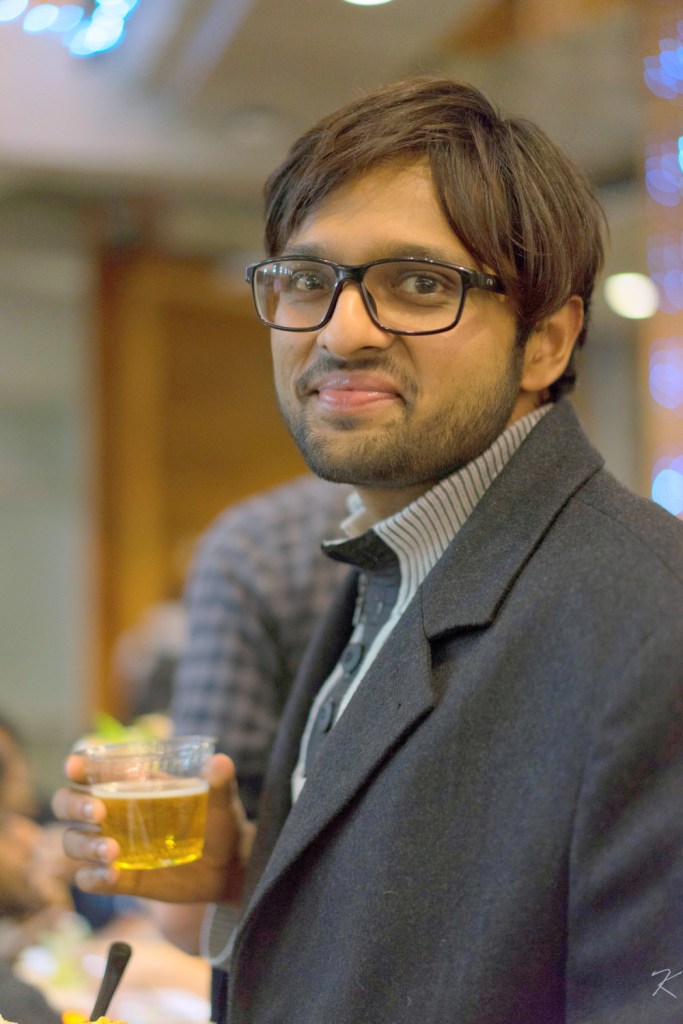
University of Michigan

Center for Democracy & Technology

New York Public Library
Organizers
To contact organizers, reach out to: glazko@uw.edu

University of Washington
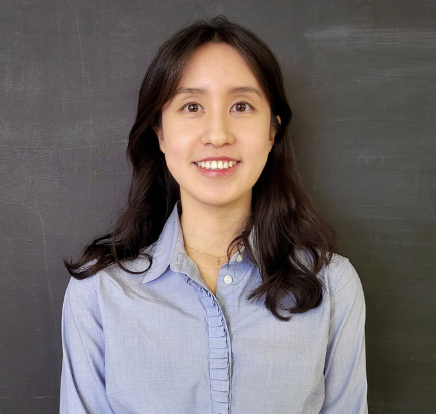
University of Texas at Austin

University of Washington